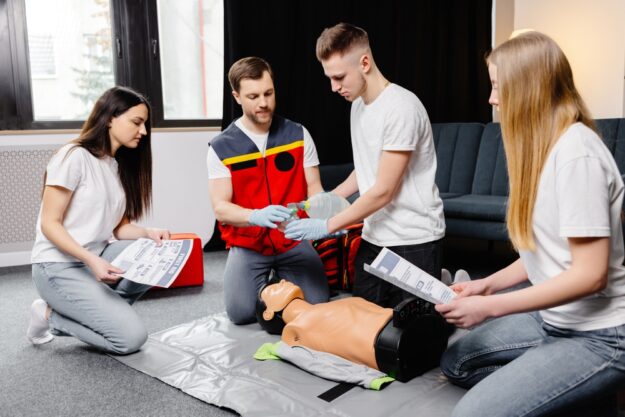
Why Ongoing Training Is Vital for Foster Carers

Fostering and parenting your own children is the same, right? Not exactly. While there are some similarities, fostering is very different.

Children in care are often living with the trauma of their past experiences, which means traditional parenting methods can sometimes fall short and even make things worse. Instead, they need foster carers who have the specialist skills and knowledge to understand where they’re coming from, look beyond their behaviour, and help them feel safe, stable and loved.

One training course isn’t enough to keep up with the ever-changing and evolving needs of children in care. That’s why, when you foster with FCA Scotland, you receive ongoing training to prepare you for every stage of your fostering journey.

In this article, we’ll explore ongoing training in more detail, including how it works, why it matters for both you and the children you care for, and the support you’ll receive along the way.

training

How does foster care training work? 

At FCA Scotland, we have three training stages that help you build your skills and knowledge gradually over time. 

We offer a mix of face-to-face and virtual foster care training courses, making it easier for you to fit them into your busy schedule. Here’s a breakdown of each training stage, so you know what to expect.  

Stage 1: During your assessment 

As part of your fostering assessment, you’ll complete our Prepare to Foster training. This face-to-face training course takes place at your local centre over 2 to 3 days and will cover: 

  • The next steps on your journey to becoming a foster carer. 
  • What it’s like to be a child or young person in foster care. 
  • Fundamental knowledge and skills, so you can begin fostering with confidence. 

You’ll also have the chance to meet experienced foster carers and ask them any questions you have about what being a foster carer is really like. This training will help you decide whether fostering is the right fit for you and your family.  


Stage 2: When you’re new to fostering  

Once you’re approved, you’ll complete our mandatory training for foster carers during your first year. Some courses you’ll complete just once, while others you’ll repeat over time to refresh your learning. This training gives you a foundation of knowledge and skills to build upon, and includes courses on topics such as:  

  • Protecting children and safeguarding foster carers 
  • Child protection  
  • Managing behaviour  
  • Identity and self-esteem  
  • First Aid 
  • Attachment and child development 

Stage 3: As you’re gaining more experience 

Once you’ve completed our mandatory training, you can join our complementary training courses. These advanced sessions help you understand the specific needs of children you foster so you can adapt your approach to their care. Here is just a snapshot of the topics we cover:  

  • Working with Children with Disabilities 
  • Understanding Autism 
  • Caring for Unaccompanied Asylum-Seeking Children 
  • Complex Trauma 
  • Bullying and cyberbullying 
  • Parentification  
  • Abused and offender relationship  

We make it simple by giving you access to our training library, which we update and add to regularly. You simply log in, select the training course you’re interested in and sign up for a session that suits you.  

5 Benefits of ongoing training

Let’s take a look at some of the benefits of ongoing training for you, your family and children you care for.

  1. Grow with the child in your care

    Every foster child is unique – they have different backgrounds, experiences, and needs. Our ongoing training helps you adapt your care to each child as they grow, so they continue to feel valued, heard, and understood.

    This is especially crucial if you foster a child long-term because over time, they’ll change, and so will their needs. For example, when they reach adolescence, issues like online safety, bullying, and healthy relationships may become more of a concern.

    That’s why we offer a wide range of courses that help you support them effectively at every stage.

  2. Boost your confidence

    Most of us have faced moments where we’ve thought, ‘I don’t know what to do.’ Even if you had some idea, you might have felt unsure or even panicked. As a foster carer, you may face challenging situations, but ongoing training can give you the reassurance and confidence that you’ll know what to do when those challenges arise.

    For example, if your foster child is triggered by something in a crowded and noisy place, a lack of confidence might lead you to snap at them or make an impulsive decision. But when you feel equipped and prepared, you can stay calm, respond thoughtfully and keep the situation under control.

  3. Enhance your professional development

    Fostering offers a highly rewarding career, and at FCA Scotland, we’re committed to your personal and professional development. That’s why every foster carer has a Personal Development Plan, which is informed by your experience and the ongoing training you complete.

    If you want to specialise in a particular type of fostering, such as fostering a child with a disability, ongoing training can help you work towards this goal. The transferable skills you gain could also support job applications if you ever decide to move away from fostering and begin a new career.

  4. Stay up to date

    Fostering legislation and guidance doesn’t stay the same. It is reviewed and updated to ensure it continues to be in the best interests of children and young people in care and supports The Promise.

    Legislation includes:

    • The Children (Scotland) Act 2020
    • Looked After Children (Scotland) Regulations 2009
    • The Continuing Care (Scotland) Order 2015

    There is also guidance that accompanies this legislation, as well as good practice guidance such as Getting it Right for Every Child: Guidance for Overnight Stays for Looked After and Accommodated Children.

    Ongoing training ensures you stay up to date with the latest legislative changes and guidance, which not only helps children receive the best care but also protects you as a foster carer.

  5. Share your experiences

    At FCA Scotland, we run regular local support groups that are fantastic for building a support network in your area. However, our foster care courses go one step further – you’ll be joined by foster carers from across the UK, helping you build an even wider and stronger network of support in Scotland and beyond.

    During each session, you’ll have a chance to share your experiences and learn from each other, and our knowledgeable trainers can also provide their advice and guidance if you’re facing a particular issue.

    We’re more than just a fostering agency – we’re a community. Our ongoing training is just one of the many ways we keep you connected with like-minded people and encourage you to see things from a new perspective.

Supporting you on your fostering journey 

Ongoing high-quality foster carer training is not the only thing we offer here at FCA Scotland. When you join us, you’ll also receive a generous fostering allowance and wrap-around support, which includes: 

  • Joint therapy sessions and consultations with therapists to help both you and young people understand their experiences and find new ways to communicate their thoughts and feelings.  
  • A dedicated supervising social worker who’ll be by your side, ready to answer any questions and offer their advice and guidance throughout your fostering journey.  
  • Access to fostering professionals, such as therapists and education officers, to ensure both you and the children you care for receive the right support  
  • Our 24/7 helpline, so whether it’s midday or midnight, you can always reach a member of the team.  
  • Mentoring from our carer buddies who are experienced foster carers and truly understand what it’s like to be a new foster parent.  
  • Regular local support groups. 
  • Year-round activities and events for your whole family to enjoy. 
  • Free membership to Fostertalk.  
ongoing training

Enquire today 

Ready to start the fostering process? Whether you’re new to fostering or have experience and want to learn more about transferring fostering agencies to FCA Scotland, call us on 0141 646 4805 or submit an online enquiry form, and we’ll be in touch. 

Is Fostering a Viable Career Change for You?

What makes fostering an amazing career choice?

Fostering is a career like no other. By choosing to become a foster carer with FCA Scotland, you’ll be doing a world of good for children across Scotland who are in need of a loving family home; changing not only their lives, but also your own for the better.  

There are lots of amazing factors which can make fostering a great career move, including: 

  • The opportunity to engage in life-changing work and make a real difference
  • A generous fostering allowance to say thank you for your hard work
  • Flexibility thanks to the various different types of fostering
  • Plenty of opportunities to build skills and develop your abilities 

Who can become a foster carer in Scotland?

Fostering a child takes dedication, hard work and lots of emotional intelligence. In order to become a foster carer in Scotland, you’ll need to meet a few requirements. Ask yourself… 

  • Am I aged 21+?
  • Do I have a suitable spare bedroom?
  • Do I have the legal right to work in the UK?
  • Am I passionate about helping to change the lives of young people? 

If you answered yes to all of those questions, you could be a great candidate to foster!  

How much do foster carers get paid? 

While finances are not the motivation behind becoming a foster carer, it’s crucial to recognize their significance when considering a big career change. Foster carers with FCA Scotland receive a generous fostering allowance whenever they have a child in their care. The amount you’ll receive depends upon a few different factors, including how many children you’re caring for, the ages of those children and their unique needs.  

To get an estimation of how much you could earn as a foster carer, try out fostering allowance calculator below. 

Fostering and Finances 

Most foster carers are exempt from paying tax on their fostering allowance thanks to a government scheme known as Qualifying Care Relief. You will be classed as self-employed, meaning that you will be required to file a yearly tax return with the HMRC. 

In addition to our fostering allowance, we offer our foster carers a variety of additional financial benefits, including: 

  • Free family days out
  • An appreciation bonus which increases each year 
  • 14 nights of optional paid respite
  • Rewards when you reach special fostering milestones
  • Access to our exclusive discount scheme 

Can I continue working while fostering? 

Some people choose to make fostering their full-time career, while others choose to carry on working a regular job alongside fostering a child. If you’re interested in fostering while working, we’ll get to know your work schedule to make sure it aligns with the needs of a child, taking into account factors such as when you work, for how long, and whether you have a flexible and supportive employer. 

There are many different types of fostering to suit different lifestyles. These include:  

  • Emergency fostering, where a child is placed with a foster family for a short period of time, usually ranging from a few days to a few weeks.  
  • Interim fostering, where a child lives with their foster family temporarily, until they’re able to return home or until longer term plans are put in place for their care.  
  • Long-term fostering, where it is decided that a child will stay with their foster family until they are ready to live independently or move into new accommodation.   

Do I need experience to foster?  

If you’ve had previous experience of caring for children, whether your own little ones or in a professional setting such as being a teacher, early years practitioner or youth group mentor, you will no doubt be bringing invaluable experience to your role as a foster carer. Experience in other care professions or looking after a relative is also invaluable.  

While previous experience of caring for others will mean you bring lots to the role, we encourage you to become a foster carer regardless of whether or not you have any previous experience. Thanks to the excellent training opportunities we provide to or our foster carers, you’ll receive in-depth guidance on all aspects of parenting a foster child, including health and safety considerations, how to manage a child’s behaviour and how to support a child who has experienced trauma.  

Things to think about if you’re considering making fostering your career… 


  • Is my home suitable for welcoming a young person? You don’t need to own your own home to foster, but you do need to have a welcoming spare room which will always be available for a child to use. Your home must be clean, safe, and harmonious. As part of your fostering assessment we’ll also conduct a health and safety assessment on your home and on your pets, to make sure they’ll be safe around a child.   


  • Do I have the right personal qualities? In order to be a foster carer, you must be passionate about helping children in need of a loving home. When we seek out new foster carers, we’re looking for people who are resilient, compassionate, hard-working and who, above all, have a genuine desire to help transform the lives of vulnerable young people. 


  • Do I understand that fostering is a 24/7 commitment? Fostering isn’t a job in the traditional sense; money should never be the primary motivator. Fostering is a lifestyle, and you will need to live and breathe fostering in order to succeed as a foster carer. The children you welcome into your home will become a part of your family. As with any other style of parenting, being a parent to your foster child is a 24/7 responsibility. 


  • Who can I rely on for support? No one can foster without support from others, and it’s important to identify your support network. If you’re in a relationship, your key support will more than likely come from your partner. Working together as a team allows you to divide up responsibilities, work around one another’s schedules and fulfil all of your parenting responsibilities together.    


If you’re a single foster carer, you’ll be able to nominate a trusted family member or friend to help you with babysitting and childcare duties. All foster carers also benefit from our huge range of support, which includes support groups and regular events.  

Career progression opportunities for foster carers 

If you’re wondering what career opportunities are available for foster carers in Scotland, we here at FCA Scotland ensure that we’re always giving you opportunities to learn more and develop your career.  

For example, if you take part in our specialist training, you may be given the opportunity to offer specialist fostering which will allow you to support a child who has complex needs resulting from trauma. Foster carers who offer specialist fostering will receive a higher rate of fostering allowance.  

You’ll also have access to a wide library of optional training sessions which we run regularly, both virtual and online, as well as a variety of e-learning courses which can be completed at any time which suits you. Our courses cover a wide range of topics, including understanding eating disorders, parent and child relationships, staying safe while gaming and ensuring that a child’s cultural needs are met, meaning that you can tailor your learning to the individual needs of the children you care for. Our face-to-face and online sessions are also fantastic opportunities to meet and befriend other foster carers. 

I’m ready to become a foster carer— what’s next?  

If you’re ready to earn a living as a foster carer, a member of our team would love to chat with you about all the ins and outs of becoming a foster carer in Scotland. Simply contact us today by filling in our online enquiry form or giving us a call on 0141 646 4805.  

Ready to learn more? Check out our in-depth guidance on how to turn fostering into your career.  

How to choose a fostering agency

Becoming a foster carer is a big decision, but so is choosing the right fostering agency. As you start this life-changing journey, you need to be sure that your fostering agency will provide great support, extensive training and a network of professionals to help you along the way. In this article, we explore the key factors to consider when choosing a fostering agency to help you decide. 

Comparing independent fostering agencies 

With so many independent fostering agencies to choose from, it can feel overwhelming to decide which one will best suit your needs. To simplify the process, we’ve prepared some key questions to help you reflect so you can create a list of essential and ideal qualities to look for in a fostering provider. 

FCA Scotland fostering agency

Do they value their foster carers? 

Fostering is rewarding, but it is also a full-time job. So, when deciding which fostering agency to join, you need reassurance that they’ll value your hard work and dedication.  

Top tip: Fostering agencies that truly appreciate you as a foster carer will reward you with an excellent fostering allowance and additional benefits. 

For example, here at FCA Scotland, we’re transparent about fostering pay. Our fostering allowances are higher than recommended, and when you join us, you also benefit from a range of fantastic perks, including: 

  • A £250 summer and winter bonus. 
  • An annual appreciation bonus that increases in line with your length of service.  
  • Gifts and experiences for every fostering milestone you reach. 
  • 14 nights of paid respite care.  
  • Yearly recognition events. 
  • Exclusive discounts on your weekly shop, fun days out, gifts and more.  

Do they offer around-the-clock support? 

Do the fostering agencies you’ve been researching offer 24/7 support? If not, you may need to cross them off your list. Fostering is an around-the-clock role, so you need to be able to access support whether morning, noon or night. When you start your journey, you may also need a little extra guidance until you have firmly found your feet.  

At FCA Scotland, our wrap-around support for foster carers means you never have to face challenges alone. When you join us, your supervising social worker will meet with you regularly, offering a listening ear, advice and guidance. If you have a question out of hours, our experts are always waiting to assist you with our 24/7 helpline.  

You’ll also be assigned a carer buddy, experienced foster carers who have volunteered to help new foster carers settle into the role. They can provide additional support and answer any questions you may have. We’re here to support you, whatever you need, whenever you need it. 

role of foster parent

Do they invest in your professional development? 

If you have children of your own, you may think fostering will be a similar experience. However, fostering is a lot different to parenting your own children. Many children and young people in care have endured abuse, neglect or other distressing experiences, and they need your help to recover from their past so they can have the fulfilling future they deserve. 

In order to do so, you need training that dives deeply into attachment, trauma, and behaviour. Training that will provide a better understanding of what it’s like to be a young person in care and help you apply trauma-informed techniques in your everyday care. 

Top tip: Look for fostering agencies that provide ongoing training for every stage of your fostering journey, like we do at FCA Scotland.  


When you foster with us, our foster care training will help you feel confident in your role. Here’s what you can expect from our training: 

  • Induction training – During the assessment, you’ll enrol on our ‘Prepare to Foster’ training. This training will give you an introduction to fostering and prepare you for the next steps of your journey.  
  • Mandatory training – Our training on topics such as Attachment & Child Development, Managing Behaviour and First Aid will provide you with a solid foundation of skills and knowledge to build upon.  
  • Complementary training – Whether you have a child in your care with a specialist need or are just interested in learning more about a particular topic, this specialist training will help you develop professionally.  

Do they put children at the centre of their care? 

Fostering is about providing children and young people with safe, stable and nurturing homes where they have the space to heal, grow and develop healthy relationships that enhance their outcomes. It also involves recognising their unique needs and tailoring their care to meet them.  

Top tip: Children need to be at the centre of their care and may require input from fostering specialists to reach their full potential. So, when you’re researching fostering agencies, consider an agency that emphasises specialist input.  

At FCA Scotland, we put children first. Our Team Parenting model holistically cares for children and young people’s entire well-being. Whether they need therapeutic input or help with their education, our team of experts are on hand to support you and them.  

We listen to our young people, encouraging them to make decisions about their care and use their feedback to improve our services. We also ask them to take the lead in organising regular activities and days out so they can build friendships with other young people in care. 

Will you have a community to lean on? 

Fostering comes with many ups and downs, but having a community to lean on and share your experiences with can make the journey more manageable and rewarding.  

Top tip: Look for a fostering agency that prioritises community and nurturing connections with other foster carers.  

At FCA Scotland, we believe in the power of community. That’s why we encourage our foster families to connect through support groups, meet-ups, and fun activities – helping you build relationships with people who truly ‘get it’. Many of our foster families go on to become good friends, offering each other advice, guidance or simply a listening ear. 

choose a fostering agency

Are they keeping The Promise? 

In 2016, Scotland promised children and young people in care that they’d grow up feeling loved, safe and respected. This year, Scotland released their 24-30 plan, which provides guidelines on ‘who needs to do what by when to #KeepThePromise by 2030′. 

Top tip: When you’re searching for the right fostering agency for you, make sure they’re doing their part to #KeepThePromise. 

At FCA Scotland, we have embraced The Promise and are keeping it by focusing on Participation. We created the young people’s forum so children can meet with our leadership team to discuss what we’re doing, how we can improve and what they’d like us to do more of. We then use their feedback to take action, implementing changes so they always feel safe, loved and respected. 

Some of our young people are also involved in the foster carer recruitment process, and we organise fun activities and days out so they can relax and have fun. 

Can you change foster agencies? 

If you’re already a foster carer but feel like your fostering agency lacks some of the points mentioned in this article, you may wonder if you can transfer. The good news is you can transfer fostering agencies, and here is how.   

How to transfer foster care agencies 

When you switch to FCA Scotland, we simplify the transfer process and fast-track your application, which means you could be fostering with us within three months of enquiring. The transfer process is similar to becoming a new foster carer and involves the following steps:  


  • Enquiry – Contact our friendly team, who’ll provide you with more information about FCA Scotland and book a home visit. 
  • Home visit – We’ll visit you at home to chat about fostering with us and the transfer process, answering any questions you may have.  
  • Application – If you’d like to move forward, you’ll complete an application and let your current fostering provider know you intend to transfer.  
  • Assessment – You’ll undergo a fostering assessment, but the process will be quicker due to the experience and skills you’ve already gained.  
  • Panel – Your assessment will be reviewed by an independent panel.  
  • Transfer – Once approved, you’ll resign from your current fostering provider and begin your journey with us within one month.  

We hope you’ve found this article helpful, but if you’d like more information on how to choose a foster care agency or how to change fostering agencies, please get in touch. Together, we can transform the lives of young people in Scotland and beyond.